
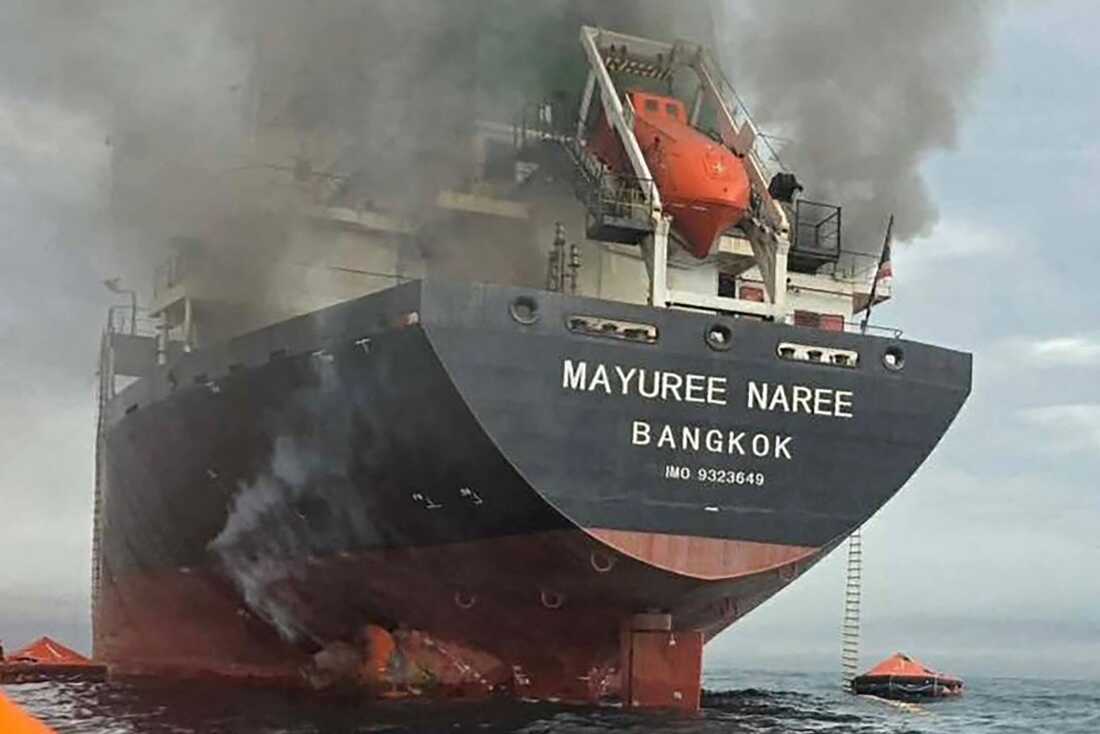
The Middle East crisis and petroleum crisis intensified in late February 2026 with airstrikes on Iran and subsequent disruptions. Iranian countermeasures severely affected shipping through the Strait of Hormuz, a vital chokepoint for global oil and gas trade.
Key impacts of the Middle East crisis and petroleum crisis include:
- Massive supply disruption in the petroleum crisis: Gulf producers curtailed output by over 10 million barrels per day (mb/d). Global oil supply dropped by approximately 8 mb/d in March 2026—the largest single shock on record. This exceeded disruptions from the 1973 oil crisis or the 2022 Ukraine conflict. Refining and export infrastructure faced shutdowns, hitting crude oil, refined products, and LPG supplies.
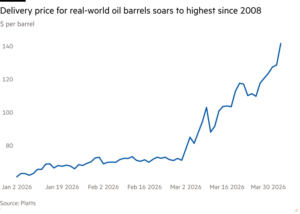
- Price surges and volatility from the petroleum crisis: Brent crude surged past $100 per barrel, with early peaks above $120 amid uncertainty. Even after a fragile ceasefire in April 2026, risk premiums kept prices elevated. The International Energy Agency (IEA) coordinated the largest-ever release of 400 million barrels from strategic reserves to help stabilize markets.
- Broader economic ripple effects of the petroleum crisis: Higher energy costs fueled inflation, strained supply chains for food and fertilizers, and disproportionately affected energy-importing developing countries. LNG flows declined sharply, impacting power generation and petrochemical industries. Full recovery of production and shipping depends on infrastructure repairs and diplomatic progress.
This Middle East crisis and petroleum crisis highlights ongoing vulnerabilities in fossil fuel supply routes. It has intensified calls for stronger energy security measures and faster diversification toward renewable energy sources to reduce reliance on conflict-prone regions.
The Persistent Global Education Crisis Worldwide
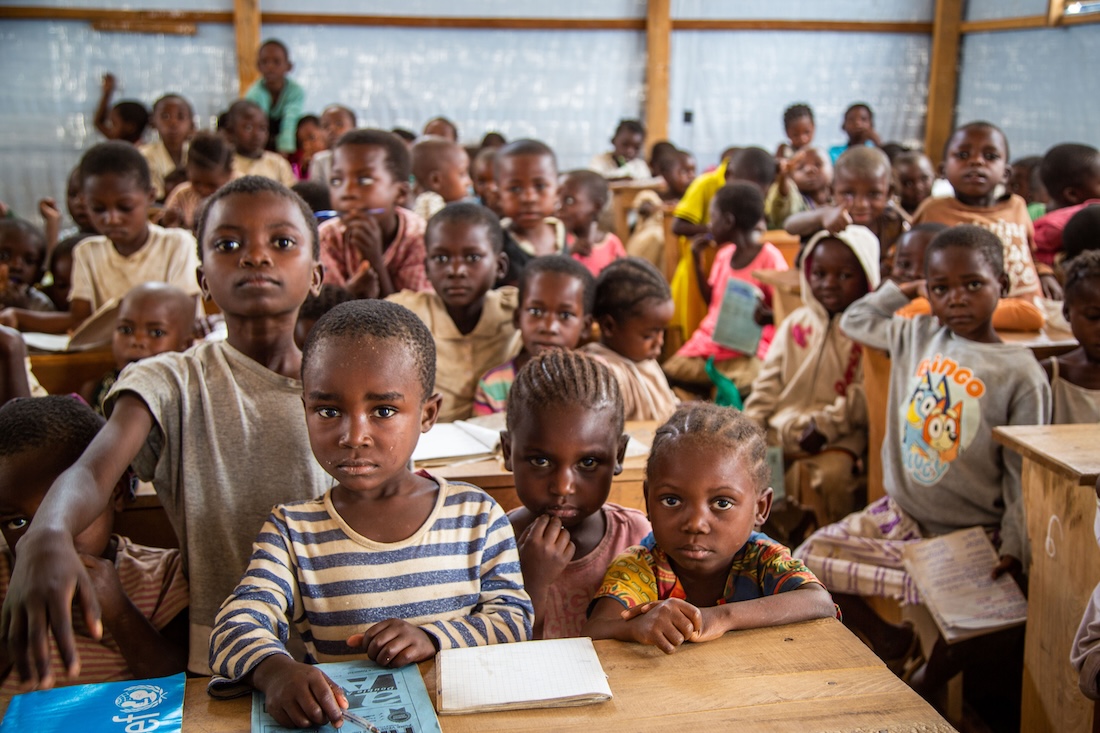
While the petroleum crisis demands immediate attention, the education crisis worldwide has worsened over years. UNESCO’s 2026 Global Education Monitoring (GEM) Report shows that 273 million children and young people were out of school in 2024—the seventh consecutive year of increase. This means roughly one in six school-age children globally remain excluded from education.
Major dimensions of the education crisis worldwide include:
- Access and equity gaps in the education crisis worldwide: Enrollment has grown (1.4 billion students in primary and secondary by 2024, up 30% since 2000), but progress has stalled in many areas, especially sub-Saharan Africa and conflict zones. Population growth, crises, and underfunding worsen exclusion for girls, displaced children, and those with disabilities.
- Severe funding shortfalls in the education crisis worldwide: Official development assistance (ODA) for education is projected to decline by $3.2 billion (a 24% drop) by 2026. This could push an additional 6 million children out of school and affect quality for millions more, leading to an estimated $164 billion in lost lifetime earnings. Low- and lower-middle-income countries face an annual financing gap of around $97 billion for basic SDG 4 targets.
- Quality and learning losses in the education crisis worldwide: Many enrolled students fail to gain basic skills. Climate disruptions, ongoing conflicts (affecting 234 million children needing education support), and post-COVID effects create generational setbacks in productivity and innovation.
Positive examples exist—countries like Madagascar, Togo, Morocco, and Viet Nam have reduced out-of-school rates dramatically. Yet scaling these successes remains difficult amid budget constraints.
Direct Comparison: Middle East Petroleum Crisis vs Education Crisis Worldwide
Timeline and visibility in the petroleum crisis and education crisis:
- The Middle East crisis and petroleum crisis is acute, producing immediate effects like price spikes and supply shortages that require rapid responses such as reserve releases and shipping rerouting.
- The education crisis worldwide is chronic, developing gradually through underinvestment and overlapping crises, with impacts appearing over decades in lost human potential.
Economic and social consequences linking petroleum crisis and education crisis:
- The petroleum crisis causes short-term pain via inflation, higher transport and food costs, and pressure on public budgets, which can lead to cuts in education spending.
- The education crisis worldwide creates long-term drags through reduced workforce skills, slower innovation, and increased inequality. High petroleum prices from the Middle East crisis and petroleum crisis can strain household finances, raising dropout risks or limiting school operations (e.g., lack of electricity or transport).
Scale of affected populations in petroleum crisis and education crisis:
- The petroleum crisis impacts global markets and billions through elevated costs.
- The education crisis worldwide directly affects 273 million individuals today, with ripple effects on societies for generations.
Path to resolution for petroleum crisis and education crisis:
- Responses to the petroleum crisis emphasize diplomacy, strategic reserves, alternative routes, and accelerating renewables.
- Solutions for the education crisis worldwide demand increased financing, teacher training, resilient infrastructure, and integration with humanitarian efforts.
In 2026, the Middle East crisis and petroleum crisis has captured headlines due to its speed and visibility. Yet the education crisis worldwide represents a deeper structural threat to sustainable development goals, especially SDG 4 on quality education.
Integrated Solutions for the Middle East Petroleum Crisis and Education Crisis Worldwide
Tackling these issues separately risks failure. Energy price spikes from the petroleum crisis can crowd out education budgets or increase dropouts in vulnerable households. At the same time, weaknesses in the education crisis worldwide hinder the skilled workforce needed for energy transitions and innovation.
Recommended approaches include:
- Protecting education spending during petroleum price volatility through targeted subsidies or international support.
- Investing in resilient systems, such as climate-proof schools and skills training for renewable energy sectors.
- Strengthening global cooperation with renewed ODA for education alongside coordinated energy market stabilization.
Policymakers must recognize these linkages. Building human capital through quality education provides the strongest long-term defense against geopolitical shocks like the Middle East crisis and petroleum crisis, while stable energy markets free resources for investments in learning.
The Middle East crisis and petroleum crisis versus the education crisis worldwide in 2026 reminds us that both short-term shocks and long-term deficits require urgent, coordinated action. Balancing resilience in energy systems with equity in education will shape global stability and prosperity for decades ahead.